-
2700 BC
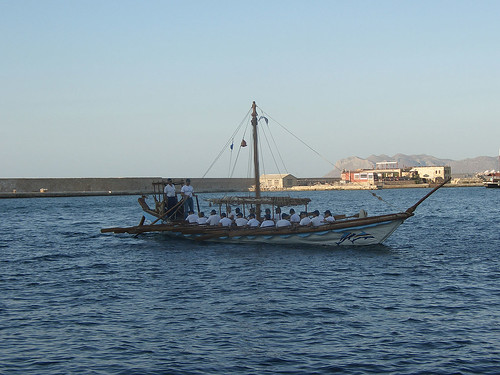 One of the earliest known civilizations in the Aegean world, the Minoan civilization, rise on the island of Crete beginning the period of flourishing
-
2000 BC
 The first palace of Phaistos is built in south central Crete by Minoan civilization
-
1900 BC
 The potter's wheel is introduced in Minoan civilization, making designs of ceramic more free and graceful
-
1900 BC
 The first palace in the ancient city of Knossos, which considered as Europe's oldest city, is built by Minoan civilization on Crete
-
1700 BC
 Naturalistic forms such as fish, squid, birds, and lilies in Minoan pottery decoration becomes common
-
1627 BCAn eruption of the volcano Thera in the Aegean Sea devastates the island of Thera including the Minoan settlement at Akrotiri and generates 150 m high tsunami that devastates the Minoan coastal settlements on the island of Crete
-
1600 BC
 Bull-Leaping Fresco, a stucco panel on east wall of the palace at Knossos in Crete, a striking example of Minoan Civilization art, is created
-
1600 BC
 The Phaistos Disc, a disk of terracotta 16 cm in diameter covered on both sides with a spiral of stamped symbols, is made for the Minoan palace of Phaistos on the Greek island of Crete
-
1550 BC
 Rise of Mycenaean Civilization in mainland Greece begins under influences from Minoan Crete
-
1450 BCMycenaean Greeks conquer and replace Minoan Civilization on Crete
-
1899
 Sir Arthur Evans discovers the center of Minoan civilization on the island of Crete
-
March 16, 1900
 English archaeologist Sir Arthur Evans finds old city of Knossus
Showing posts with label Minoan Civilization. Show all posts
Showing posts with label Minoan Civilization. Show all posts
Saturday, February 18, 2017
Minoan Civilization

Saturday, January 23, 2016
Twenty-seventh Century BC
-
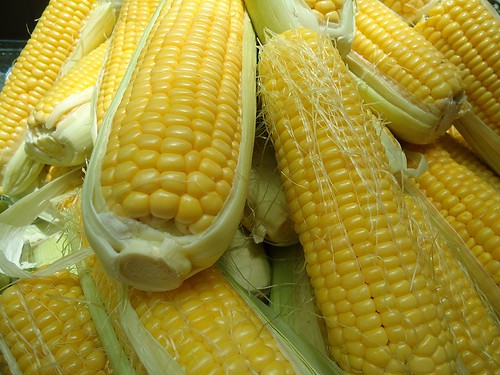 Maize is domesticated in the Tehuacan Valley in Mesoamerica
-
2700 BC В± 300One of the earliest known civilizations in the Aegean world, the Minoan civilization, rise on the island of Crete beginning the period of flourishing
-
2700 BC
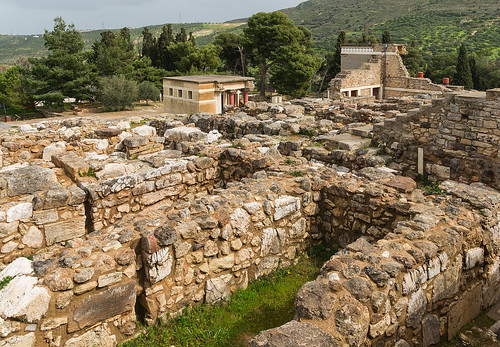 Minoan Civilization ancient palace city Knossos reach 80,000 inhabitants
-
2700 BC
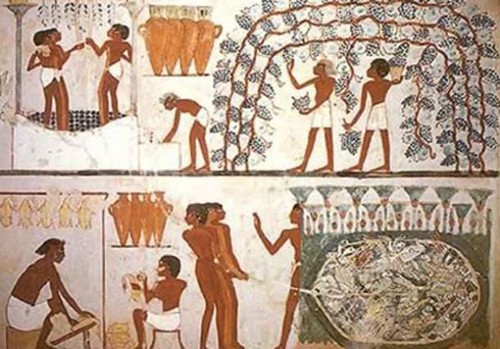 Preservation of fish and poultry by drying and salting is invented in Egypt
-
2700 BCMerit-Ptah, an early physician in ancient Egypt, becomes the world's first named woman in medicine and all of science
-
2686 BC
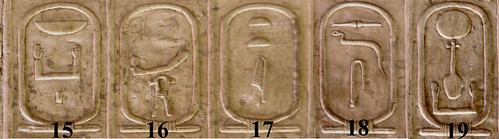 Nebka, an Ancient Egyptian pharaoh, begins to rule in Ancient Egypt, starting Third Dynasty of Egypt and the Old Kingdom
-
2675 BC
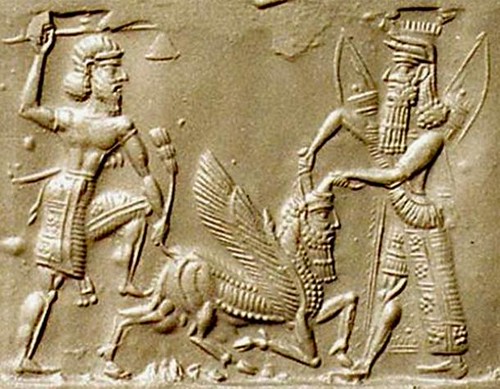 Aga of Kish, the last king in the first Dynasty of Kish, is defeated by Gilgamesh of Uruk, the fifth king of that city, marking start of Uruk hegemony in Sumer
-
2650 BC
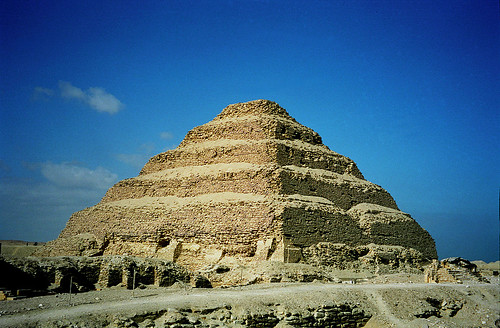 The first step pyramid in Egypt is built for pharaoh Djoser at Saqqara by his vizier Imhotep, the first known architect
-
2650 BC
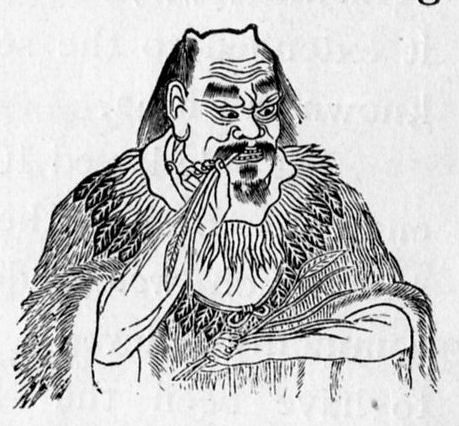 Three Sovereigns and Five Emperors period in China, the first period in history of ancient China, characterized by semi-mythological rulers and considered as demigods and wise characters, begins
-
2650 BC
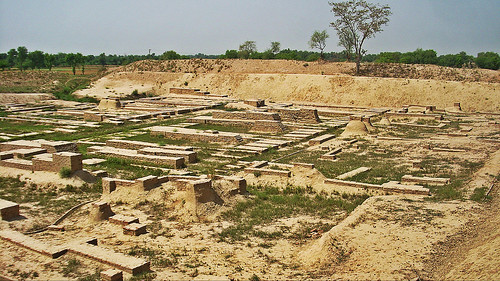 The ancient city of Harappa in modern-day Pakistan, one of the largest metropolises of ancient world with superior urban planning and sewage systems, begins to flourish during urbanization in the Indus Valley civilization
-
2620 BC
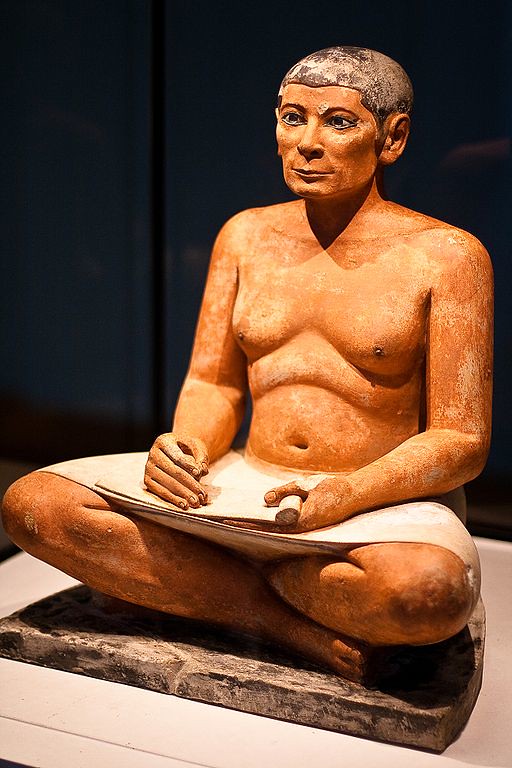 Seated Scribe, an Egyptian painted limestone realistic statue representing a figure of a seated scribe at work, is made
-
2613 BC
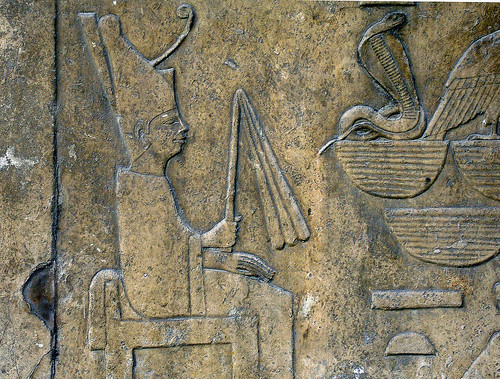 Sneferu, builder of three survived pyramids in Egypt, founds the Fourth Dynasty of Egypt, following his father pharaoh Huni
Subscribe to:
Posts (Atom)